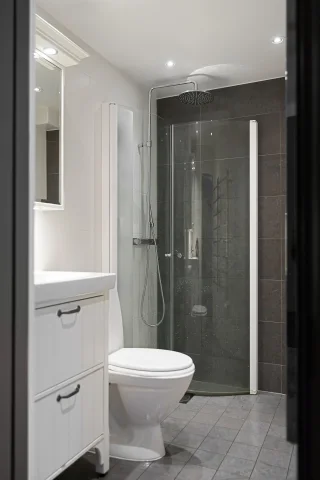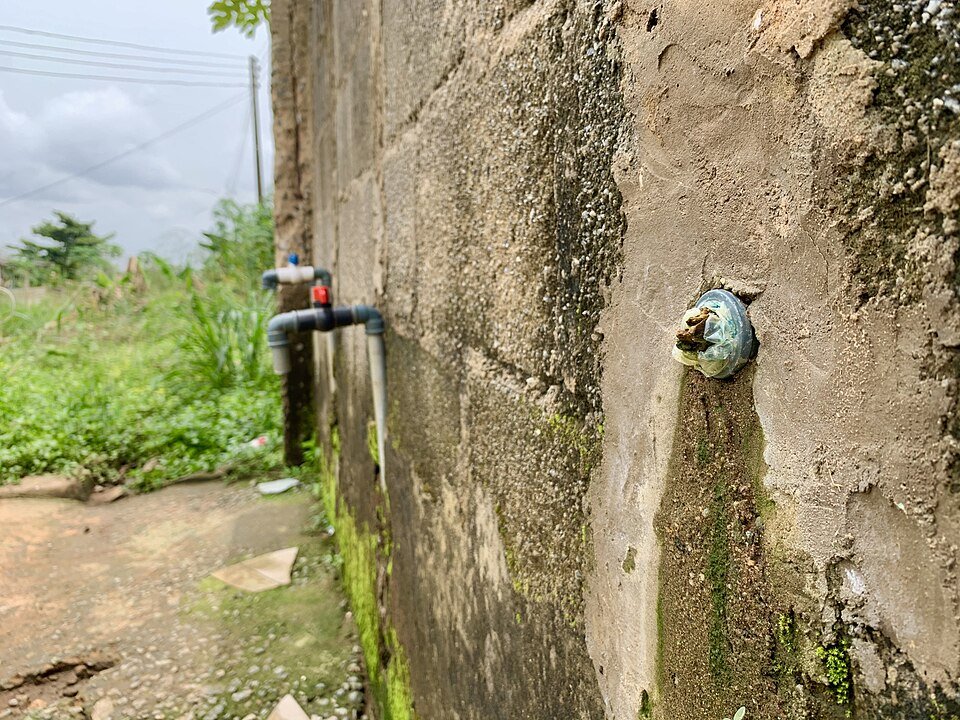
Start with the unresolved function
A household repair log is most useful when it begins with a plain question: what is not working, where is it happening and what has changed? Write the answer before searching for a diagnosis. “Water appears under the sink after ordinary use” is evidence; “the pipe needs replacing” may be an unsupported conclusion.
Use the tenancy's stated reporting channel and consult local guidance for urgent situations. If there is an immediate danger, prioritise the appropriate emergency response and safe separation from the hazard. Do not wait for a perfect photograph or a routine inspection before reporting an urgent concern.
The sources here are New Zealand Tenancy Services' inspection publications, which support clear condition records and communication. Their statutory processes are specific to New Zealand. This article provides an administrative method and does not assign repair liability or universal response deadlines.
Record symptoms without invasive investigation
Give the room, fixture and exact visible location. Note when the symptom appears, how often it has been observed and any ordinary use associated with it. Include an image reference where it helps, while keeping personal belongings out of the frame.
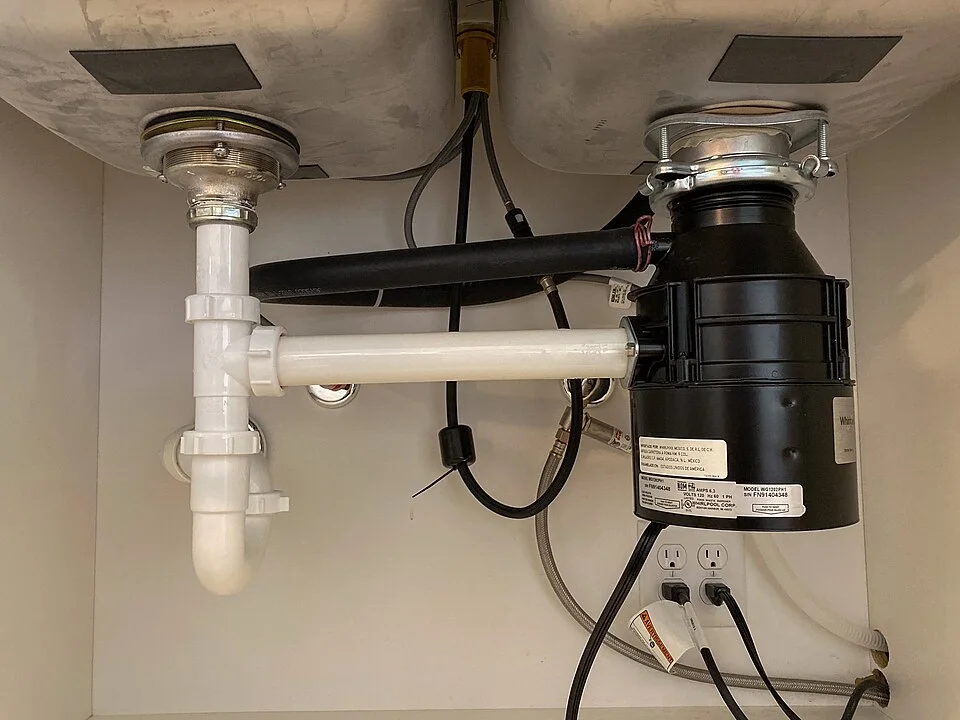
The under-sink view identifies drain joints, hoses and equipment that can be described in a location-based repair record. Photograph only from an accessible position and note the actual symptom and observation time separately. This image does not establish a leak, its cause, electrical condition or a repair method, and it is not a reason to operate unfamiliar fittings.
Photo & usage
Tony Webster · CC BY 2.0 · Source. Display copies resized and encoded as WebP; no instructional details were fabricated or removed.
Do not remove covers, operate unfamiliar valves or disturb suspect material to improve the log. A tenant's observation record should not become an improvised building investigation. If a contractor needs additional information, ask what can safely be provided from accessible positions.
Distinguish a repeated observation from an assumed continuous condition. Seeing a damp patch on two mornings does not prove it remained wet all day. Note the two observation times, intervening ordinary use if known and what was actually visible. That precision gives the responsible person a better starting point and avoids inflating certainty.
Make each report traceable
Create an identifier for the issue and include the first observed date, first reported date, recipient and channel. Save the exact message and attachments that were sent. A personal note saying “told landlord” is weaker administratively than a dated copy showing what information was communicated.
Ask for acknowledgement and the intended next step where the process permits. Record the answer as a commitment or proposal, not as completed work. “Contractor asked to call” differs from “appointment confirmed,” and both differ from “contractor attended.”
If the same issue is discussed by phone, send a concise factual recap through the agreed channel where appropriate. State the date, participants and actions understood. Invite correction rather than presenting your summary as an agreed document when the other person has not confirmed it.
Separate reporting time from access time
Consider this illustrative timeline. A loose cupboard hinge is observed on day 1, reported on day 2, acknowledged on day 3 and offered an appointment for day 6. The household cannot provide the agreed access until day 8, when the contractor attends.
The elapsed period from first observation to attendance is seven days, calculated as 8 − 1. The period from reporting to attendance is six days, calculated as 8 − 2. The household's change moves the proposed appointment by two days. These are invented calendar-day intervals, not a judgement about reasonable or legally required response time.
Recording each event prevents a single statement such as “it took a week” from concealing important context. A service assessment may need a different counting convention or local rules. Preserve the dates first, then apply any relevant process with the appropriate guidance.
Record access arrangements separately
Note the appointment date, arrival window, contact person and agreed access method. Confirm which rooms or cupboards need to be available, and remove only the belongings necessary for access. Keep valuables, personal papers and pets appropriately managed without making unsafe changes to the fixture.
Check tenancy requirements for notice and entry using the relevant local authority information. Tenancy Services' inspection page describes New Zealand inspection rules, but a repair visit may involve a different process. Do not copy a routine inspection notice period onto every kind of contractor visit.
If an appointment is missed or rescheduled, record what happened and the new arrangement. Avoid deleting the previous entry; the sequence may explain why a repair remains open. Keep communication factual and directed to the person responsible for coordinating the work rather than making assumptions about the contractor's availability.
Distinguish attendance from completion
After the visit, record what the contractor says was done and any limitations they identify. Attribute technical explanations to the person who provided them. Do not convert “may need another part” into a confirmed diagnosis or promise.
Ask whether follow-up work, drying time or a return visit is required. Keep instructions and service notes with the issue record. If equipment has been isolated or declared unavailable, do not use it merely because the visible symptom has disappeared.
Check the original function through ordinary permitted use when appropriate. A cupboard door can be opened normally to see whether it closes correctly; unfamiliar electrical or gas work needs the relevant professional handover. Match the completion observation to the original problem, rather than inventing a broad test of everything nearby.
Reopen recurring issues with comparison evidence
If the symptom returns, create a new dated observation linked to the earlier issue. Include whether the location and ordinary use appear the same. Photograph from a comparable position where safe. A recurrence is useful information, but it does not by itself prove that the previous repair was performed incorrectly.
Preserve the earlier completion note so the sequence remains visible. State what was improved, how long the improvement was observed and what is now happening. A short factual comparison helps the responsible person decide whether a different investigation or further work is needed.
Where progress remains unresolved, consult the applicable tenancy service about the correct next process. Do not invent an escalation deadline from an example in this article. Keep your log available so an adviser can distinguish reported facts, agreed actions and unanswered questions.
Close the log with a narrow conclusion
Mark an issue closed only when the agreed work is complete or the responsible parties have documented another outcome. Add the date and the evidence: service note, contractor explanation and ordinary-use observation where suitable. Keep any remaining limitation visible.
Link the repair to the original property condition report where relevant. A later departure comparison should be able to distinguish an initial defect from a reported event during the tenancy. The inspection form's room headings can provide a stable filing structure.
A well-closed entry says exactly what has been resolved and what it does not establish. “Door closes normally after hinge adjustment on the recorded date” is useful. “All cabinetry certified sound” would be an unsupported expansion of a small repair record.
Keep linked symptoms distinct until assessed
Two symptoms near one another may share a cause, but the log should not assume that connection. Give each a location and observation record, then note that they occur nearby or at similar times. A contractor can evaluate the possible relationship with the relevant evidence.
For example, a sticking cupboard door and a nearby damp patch may be observed on the same day. Record both and report the combination, without declaring that swelling has caused the sticking. After work, check whether each original symptom has been addressed through ordinary permitted use. Closing one entry should not automatically close the other. This prevents a broad repair label from hiding a function that remains unresolved.
THE REFERENCE FILE
Sources & scope
Documentation reviewed 1 Nov 2026. Examples are illustrative; this article does not claim hands-on product testing. Follow the instructions for your actual material, model and location.