Home comfort
Keep a rain-linked interior stain diary
Record interior stains before, during and after rain, separate changing wetness from old marks, and prepare a useful repair handover without opening finishes.
The home files
Understand light, airflow, moisture and temperature before buying another solution.
Record interior stains before, during and after rain, separate changing wetness from old marks, and prepare a useful repair handover without opening finishes.
Record when under-sink water first appears, separate supply, drain and splash clues, and prepare a useful plumbing request without disturbing connections.
Inspect accessible wall pockets behind lightweight furniture, compare local dampness with room conditions, and decide when layout changes need repair support.
Find the light leaks and noise paths that reach your pillow, then adjust curtains, displays and room habits while keeping ventilation and exits clear.
Use a paired seating trial to investigate cool-window discomfort, separating air readings, local draughts and surface exposure before changing room settings.
Record water near an air conditioner, distinguish intended condensate discharge from indoor wetness, and prepare a service handover within user-access limits.
Judge indoor mould by its extent, moisture source and household risks. Build a useful contractor brief, recognise stop points and check the finished work.
Map intermittent household noise with timed observation windows and consistent event counts, keeping uncertain sources separate and avoiding invented decibel averages.
Document accessible cold-pipe droplets, distinguish broad surface beading from uncertain joint water, and decide when insulation or plumbing advice is needed.
Compare fan on and off at the pillow with repeatable listening intervals and ordinary window positions, while keeping outside events and airflow notes separate.
Observe toilet-tank droplets and floor water separately, record flushing and room conditions, and recognise when a plumber needs to investigate the source.
Use a simple clean-glass comparison to separate sink-area odours from water that carries the smell, then choose the right plumbing or water-provider follow-up.
Track where and when window condensation appears, compare humidity readings, and use a simple log to decide whether a dehumidifier or a repair is needed.
Track a room after direct sun ends, comparing fixed air readings, warm-seat observations and everyday activity to investigate why discomfort continues into evening.
Inspect plant saucers, cachepots and window ledges for local water, distinguish watering spills from condensation, and protect surfaces without overclaiming air benefits.
Map daylight at near, middle and deep task positions using the same page, posture and time checks, then choose useful places without confusing sun with visibility.
Record bedroom moisture around normal sleeping routines, compare morning conditions fairly, and investigate ventilation without changing nighttime door safety.
Record dehumidifier collection by operating interval, temperature and room activity, and distinguish bucket output from drying a particular wall or surface.
Compare outdoor dew point with indoor conditions before airing a damp room, while allowing for rain, pollution and the limits of household measurements.
Map direct sun at each window, record when it reaches occupied seats, and create a shading routine that follows actual exposure rather than compass labels.
Build a useful overheating diary with fixed sensor positions, matched observation times, outdoor context and clear limits on what a small room trial proves.
Confirm where your kitchen hood sends air, arrange pans for better capture, and build a practical cooking routine that reduces lingering moisture and condensation.
Choose desk and reading-chair lamps by checking glare, shadows, reach and page coverage, with practical placement trials and a clear shopping brief.
Check a musty storage box by separating container, contents and location clues, protect unaffected belongings, and recognise when specialist care is needed.
Use a simple laundry mass record to understand indoor drying, compare rack arrangements fairly, and distinguish evaporation from moisture leaving the home.
Assess evening lamp reflections in window glass from normal seats, then compare existing light and curtain positions while preserving page visibility and safe access.
Map desired quiet-use periods against observed household appliance events, then compare practical timing options without guessing faults or blaming neighbours.
Use a limited bathroom fan intake observation responsibly, distinguish tissue movement from measured airflow, and prepare a precise request for ventilation help.
Compare morning blind angles at a breakfast table, checking direct sun, plate reflections and useful daylight before settling on a repeatable daily setting.
Distinguish lingering room sound from incoming neighbour or traffic noise using quiet, reversible furnished-room comparisons and careful notes about uncertainty.
Compare indoor and outdoor evening conditions to choose a window-opening opportunity, with checks for humidity, air quality, security and changing weather.
Track lingering kitchen odours through cooled cookware, waste and nearby textiles, distinguish sources from air movement, and choose a focused next action.
Map unwanted draughts, preserve essential ventilation and repair a suitable window seal, with practical checks before fitting and after the room is back in use.
Build a room-by-room shade schedule, choose when to open windows, and plan a cooler evening with practical checks for heat, humidity, smoke and safe airflow.
Learn why relative humidity can fall when a room warms, compare paired temperature readings, and check for actual drying before crediting the heating.
Compare an ordinary door open and closed during a modest household sound trial, keeping listening positions fixed and leaving required vents and fire features intact.
Compare two room humidity meters side by side, check accuracy ranges, and decide whether disagreement affects the moisture decision you actually need to make.
Map bathroom droplets by location and timing to distinguish likely splash from condensation, while recognising when stains or persistent wetness need assessment.
Find when afternoon sun starts warming a west-window seating area, compare early and late blind operation, and keep useful daylight during a focused trial.
Identify whether a glossy dining table reflects a window or pendant, compare reversible surface trials, and retain a usable setting for meals and paperwork.
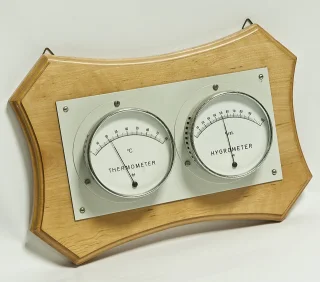
Choose and document a room thermometer position, compare paired instruments, and distinguish changes in air readings from sun, surfaces and sensor placement.
Compare two manufacturer-permitted bulb colour appearances at matched lumen ratings in one living room, keeping the shade, seat and observation tasks consistent.
Compare television seating and curtain positions using the same dark scene, tracing window reflections while preserving everyday daylight and room access.
Trace a narrow curtain centre or side light leak from your normal pillow position, then compare ordinary curtain adjustments without attaching anything to glass.
Trace hand and body shadows during a dining-table craft task, then compare safe seat, work and existing-light positions before deciding what still needs attention.
Trace a bright window reflection on a monitor with controlled angle trials, then compare readable layouts without relying on maximum screen brightness.
Compare existing sheer and opaque curtain positions for daytime privacy and task visibility, with matched indoor checks and a consented outside sight-line review.
Compare fan distance, direction and speed at one reading seat, tracking useful airflow and distracting noise without confusing personal cooling with room cooling.
Choose a useful hygrometer position, distinguish room readings from damp pockets, and create a repeatable record before acting on small humidity changes.
Track bathroom air and surface drying after a normal shower, distinguish a clear mirror from a dry room, and set a useful follow-up for persistent wetness.
Use a scale paper plan to compare pillow views, window light and nearby warm or cool surfaces before committing to a different bedroom layout at home.
Create a practical route for wet shoes, umbrellas and raincoats, check hidden moisture before storage, and tell tracked-in rain from recurring entryway leaks.
Track slow-drying patches after ordinary floor cleaning, compare application and airflow clues, and recognise when recurring moisture needs a different investigation.
Separate clothing, storage surfaces and room clues when a wardrobe smells musty, and decide what needs drying, care or professional moisture investigation.
Use room and surface observations to review humidifier output, stop local dampness, and maintain the actual model without turning a humidity target into a guarantee.
Build separate reading and lower-light zones in a shared living room by checking both occupants’ sight lines, lamp spill and a practical agreement for daily use.
Compare warm-weather airing with cool basement surfaces, record dew-point context, and separate possible condensation from water entry and storage problems.
Use your own measurements and rates with our free calculators.
Visit the planning bench →