Appliances & utilities
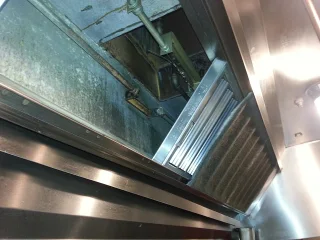
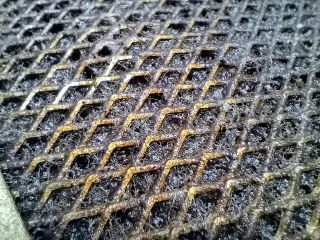
Clean and refit a removable metal hood filter
Plan a permitted metal hood-filter clean with safe access, supported removal, thorough drying and documented latch checks before returning the hood to use.
The home files
Read the numbers behind everyday appliances. Separate simple checks from work that needs a professional.
Plan a permitted metal hood-filter clean with safe access, supported removal, thorough drying and documented latch checks before returning the hood to use.
Measure an appliance’s waiting power, compare useful settings and calculate realistic annual savings before deciding whether replacement makes financial sense.
Compare dishwasher runs using the actual programme, accepted options and finished result, rather than treating a shorter display as proof of a better cycle.
Record low-power modes, network settings and elapsed hours before comparing standby costs, with an illustrative mode ledger and checks for uncertain readings.
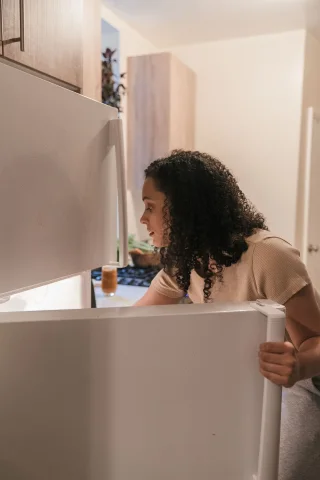
Log refrigerator openings during two ordinary meal preparations, compare counts and durations, and choose a retrieval workflow without claiming measured energy savings.
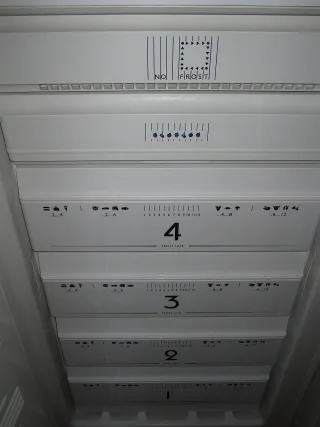
Count freezer packages one drawer at a time, record exact locations, and resolve stock differences without turning an inventory into a prolonged unloading session.
Compare water-using appliance purchase and service costs over a stated planning horizon, keeping water scenarios, unknown repairs and warranty evidence explicit.
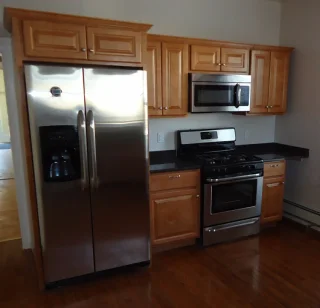
Map your refrigerator’s actual vents and usable shelf space before shopping, then place containers where lids, drawers and doors fit without obstructing air routes.
Document ordinary hot-water waiting times and estimate pre-use volume with stated flow assumptions, without changing heater settings or investigating pipework.
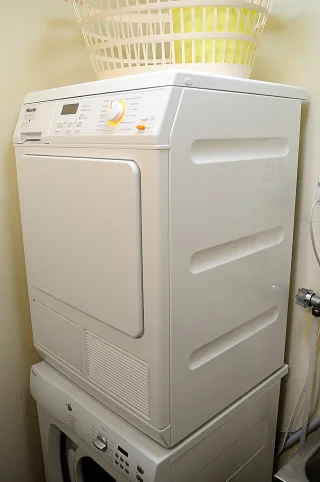
Log a dryer’s changing estimate beside load, options and actual finish, and distinguish normal sensing adjustments from repeated symptoms that need support.
Record incremental purchase cost, comparable energy and tariff assumptions before replacing an appliance, with an illustrative payback range and decision limits.
Identify a hood’s grease and carbon filters using exact model documents, then record whether each part may be cleaned, replaced or regenerated safely.
Reconcile estimated water charges with a later actual meter reading, preserve corrections by period, and prepare a focused utility query when totals do not align.
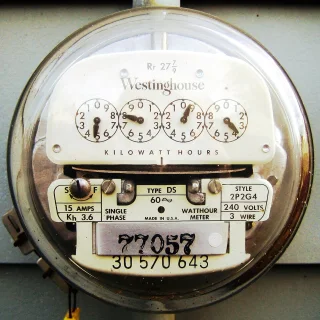
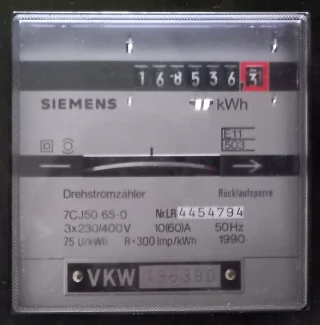
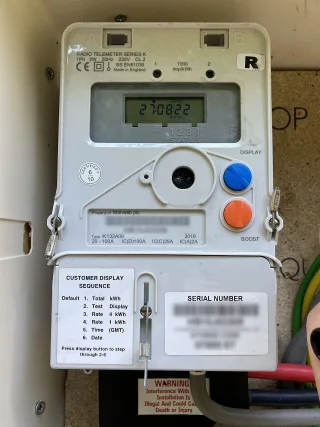
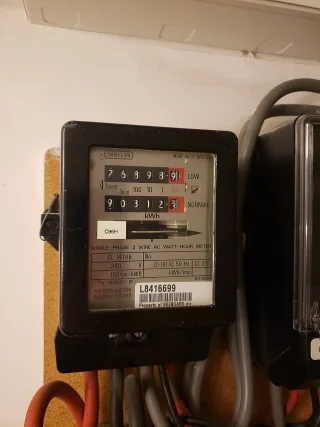
Record cumulative electricity readings with register identity and timestamps, with an illustrative interval calculation and checks for safe, consistent observation.
Identify which water and sewer bill lines change with consumption, keep fixed fees separate, and calculate a limited volume-change scenario using your tariff.
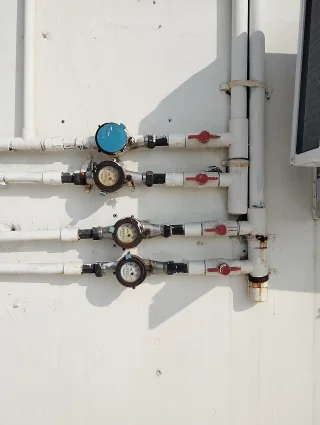
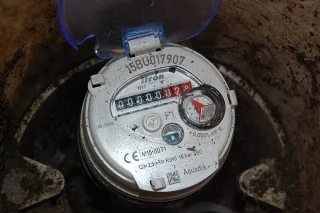
Match a water meter’s register scale to the bill’s consumption unit, preserve decimal readings, and check conversion arithmetic before comparing household use.
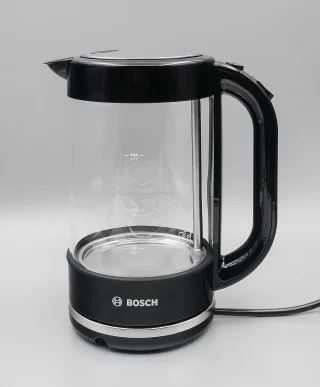
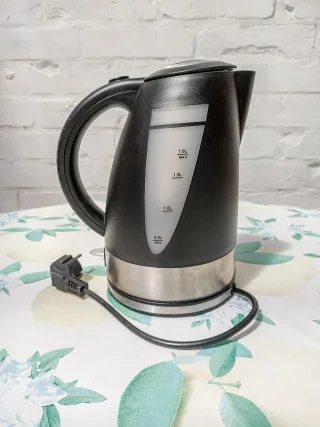
Measure the water your household cups actually need, then plan kettle fills within the exact minimum and maximum marks using the kettle’s original base.
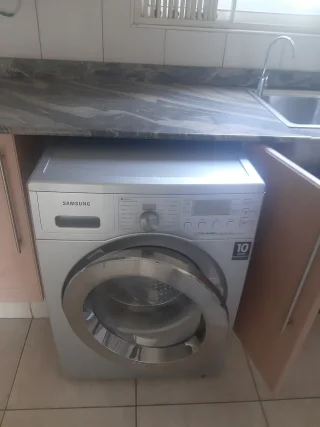
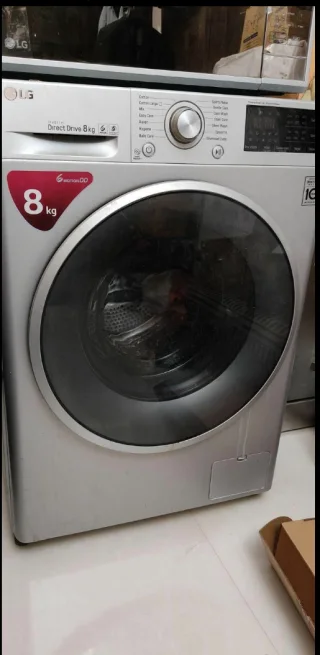
Check your washer’s quick-programme load and soil limits, record the actual settings and result, and decide when a longer permitted programme is the better fit.
Split water consumption across tariff blocks, check service-period thresholds, and calculate how a proposed reduction crosses tiers before estimating its charge effect.
Compare washer water ratings with exact model identity and drum capacity, distinguish standardised indicators from real loads, and preserve purchase evidence.
Separate fixed electricity charges from avoidable energy costs before estimating savings, with an illustrative bill calculation and checks for marginal rates.
Normalize electricity records to kWh per day before comparing unequal bills, with an illustrative period calculation and checks for estimates and missing days.
Create a cool-water tap timing record with a fixed vessel and consistent controls, recognise collection errors, and decide when observations need a service query.
Compare ordinary hot-water task sequences using recorded waits and completion needs, keeping hygiene, appliance instructions and system changes outside the experiment.
Record hood-filter condition alongside real cooking patterns and manual intervals, keeping inspection reminders distinct from cleaning or replacement decisions.
Build a period-specific electricity rate ledger to separate price changes from use changes, with an illustrative split bill and checks for tariff boundaries.
Compare washer electricity and water costs using your own tariffs, realistic load counts and a worked example that shows when a purchase premium pays back.
Compare equivalent appliance labels using annual kWh and one stated electricity rate, with an illustrative cost calculation and checks for mismatched test bases.
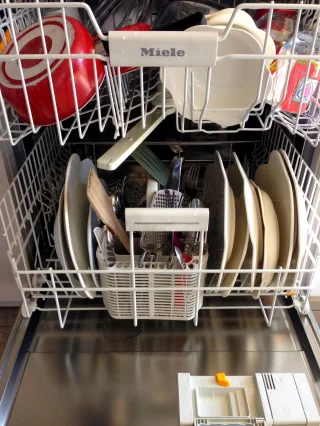
Arrange plates, bowls and awkward cookware so spray and detergent can reach them, then use the finished load to spot obstructions and decide what to change.
Create a household water baseline using verified meter intervals, occupancy notes and unusual-use records, with clear limits on per-person comparisons.
Protect food first, then use a temperature log, door and airflow checks, and a controlled observation period to decide when your refrigerator needs service.
Record cordless vacuum runtime with the actual mode, tool and starting charge, and distinguish a practical route plan from a battery-capacity diagnosis.
Compare daily electricity use with occupancy recorded separately, using an illustrative person-day calculation and checks that preserve fixed household loads.
Split electricity changes at tariff tier boundaries before pricing them, with an illustrative reduction calculation and checks for daily allowances and billing dates.
Compare existing fixture flow records by mode, control position and collection method, then separate observed rate changes from assumed daily water savings.
Check vacuum-head compatibility and permitted settings when a rug is hard to push, record surface-specific behavior, and stop before forcing a protected brush.
Reconcile your exact kettle manual with a descaler’s label before treatment, recording compatibility, dose, temperature, contact time and rinsing requirements.
Check exact manual permission before removing a kettle spout filter, then distinguish loose scale, correct seating and damage during cleaning and refitting.
Compare dated views of package frost and visible freezer walls during normal access, record closure changes, and decide when recurring frost needs service.
Match dryer sensor and timed programmes to the actual load and manual, record the dry endpoint, and avoid adding minutes that repeatedly over-dry part of a load.
Map a heat-pump dryer’s user-access filters and indicators from its own manual, record permitted care, and distinguish routine reminders from service-only work.
Read the washer manual before selecting rinse-and-spin or drain-and-spin, distinguish added water from extraction, and document an unfinished-load decision.
Set up a visible refrigerator use-first zone, preserve meaningful food dates, and keep raw items contained without treating a priority label as a safety guarantee.
Distinguish electrical nameplate ratings from measured operating energy, with an illustrative duty-cycle comparison and checks before estimating annual costs.
Separate washer soil, temperature and spin decisions, check the exact programme’s available settings, and record results without assuming higher always means better.
Compare peak and off-peak electricity quantities under consistent time rules, with an illustrative shifted-use calculation and checks for missing interval data.
Reconcile estimated electricity use across an actual-to-actual interval, with an illustrative catch-up calculation and checks before treating one bill as a spike.
Make a household outage handover card, protect refrigerated food, pause appliance cycles and check what needs attention when electricity returns.
Distinguish selecting a dishwasher sanitizing option from confirmed completion, record interruptions, and follow the exact model without claiming sterilization.
Match the full appliance identifier and region to an official user manual, compare candidate documents, and confirm permitted parts before starting maintenance.
Trace a higher electricity bill through billing days, meter readings and tariff lines, then choose one useful change and check whether it made a difference.
Normalise water consumption by actual service days, separate bill issue dates from meter periods, and identify when a longer interval explains a higher total.
Compare permitted dishwasher drying options using separate plastic and ceramic observations, account for pooled water, and avoid rerunning an otherwise clean load.
Convert accumulated kWh and elapsed hours into average watts, with an illustrative cycling-load example and checks for reset counters, modes and meter limits.
Measure shower flow with repeat bucket catches, separate warm-up water from washing time, and compare practical changes before replacing your showerhead.
Compare thin and thick items at the dryer endpoint, separate compatible loads using the manual, and record the full task rather than only the first cycle time.
Write freezer labels that retain identity, dates and quantities, then account for a split package without confusing a fresh label with a fresh storage history.
Use your own measurements and rates with our free calculators.
Visit the planning bench →