Rooms & storage
Size folded-clothes storage from laundry return
Measure folded clothes at the moment clean laundry returns, then size drawers and shelves with an illustrative stack budget and checks for a full rotation.
The home files
Measure the space, keep everyday routes clear and make the things you use easier to find.
Measure folded clothes at the moment clean laundry returns, then size drawers and shelves with an illustrative stack budget and checks for a full rotation.
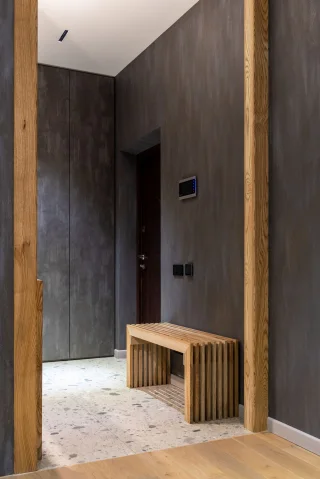
Plan a small entryway around busy arrivals, door movement and everyday belongings, with practical storage limits and a rehearsal before you buy furniture.
Measure shelf openings around box lids, handles and lifting movements so containers remain usable, with an illustrative height budget and a one-box trial.
Restore sleeping, washing and simple meals after a move with a two-day unpacking order that keeps routes clear and essential belongings easy to locate.
Order a room refresh around inspection, surface work, product drying instructions and furniture delivery so later tasks do not undo completed work.
Map visible labels, handles and item retrieval from a supported seated position, with an illustrative comparison and boundaries for individual access needs.
Choose a bedside surface by observing seated and lying reach, lamp controls and morning retrieval, with an illustrative top-area budget and completion checks.
Decide which household items deserve a resale attempt, set collection deadlines, and prepare a realistic donation fallback before cleared space fills again.
Measure a folding table in use, folded and during changeover, with an illustrative space comparison and checks that keep a small shared room workable.
Plan temporary storage, daily routes and work boundaries for a single-room project so the rest of the household can keep using essential facilities.
Build a pantry around the next meals you will cook, with visible opened packets, sensible reserves and clear date labels that keep food moving towards dinner.
Identify substrate and stain questions before buying primer, distinguish spot treatment from whole-surface work, and confirm the selected coating system.
Compare belongings with measured destination space, replacement difficulty and confirmed reuse routes before paying to transport items you cannot use.
Link rental condition photographs to named rooms and written observations, keeping original files and clear comparison views for later inspection.
Map two sleepers’ dressing, storage and exit movements before dividing a shared bedroom, with an illustrative overlap comparison and practical layout checks.
Give clothes between wears a measured destination apart from clean laundry, with an illustrative capacity limit and checks for garments, access and room use.
Measure screen position, keyboard space and paper handling before choosing a shallow desk, with a worked layout and checks for cramped working positions.
Match unwanted household goods to confirmed recipients, sort acceptance requirements, and schedule dispatch so donation bags do not become permanent storage.
Plan a rolling storage cart’s loaded footprint, turning route and parking position, with an illustrative clearance comparison and checks before everyday use.
Compare containers by usable shape, opening size and access rather than advertised liters alone, with an illustrative packing example and checks before buying.
Check a moving delivery against carton identities and condition notes, document exceptions clearly, and keep essential evidence available after unloading.
Keep a rental repair log that separates visible symptoms, reported dates, access arrangements and completion evidence without guessing the underlying fault.
Translate track width, heading fullness and per-panel measurements into a curtain purchase count, with a separate check for stack-back and clear opening.
Create a room project purchasing order that checks dimensions, return terms and lead times before custom items or bulky deliveries make changes difficult.
Create moving-box labels that identify destination, opening priority and missing items, while keeping sensitive contents out of public view during delivery.
Measure under-bed openings, internal obstructions and box retrieval paths before buying storage, with an illustrative fit example and checks for dry contents.
Arrange linen around complete bed sets, comfortable reach and the space clean laundry needs, with a practical cupboard trial before buying baskets or dividers.
Separate daily essentials from the moving load, set a realistic packing cutoff, and resolve late items before the carrier arrives at your old home.
Build a monthly home maintenance checklist around safe checks, named locations and clear follow-ups, with a usable record that keeps unfinished repairs visible.
Measure real household contents, opening clearances and retrieval needs before ordering cupboards, so advertised storage volume becomes usable capacity.
Build a room-by-room moving inventory that connects belongings to boxes and destination rooms, tracks exceptions, and makes pickup and delivery easier to check.
Allocate shared everyday storage around different users’ approaches and comfortable reach, with an illustrative category split and checks for reliable return.
Prepare receiving space, room placement and packaging routes before furniture delivery, then check identity and condition before the crew leaves.
Compare paint samples beside retained finishes at recorded times of day, noting lighting and sample limitations before committing to the final coating.
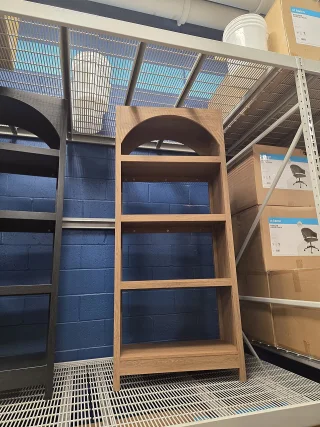
Compare shallow freestanding shelves using book depth, box handles and retrieval room, with an illustrative capacity comparison and checks before purchase.
Prepare a room-by-room rental checkout comparison using arrival photographs, repair records and current observations while keeping unresolved differences clear.
Create two distinct work kits for one small desk, measure their storage and reset sequence, and use an illustrative handoff budget to resolve recurring conflicts.
Check a narrow furniture gap for access, controls and retrieval before adding storage, with an illustrative usable-width calculation and a clear rejection test.
Measure curtain length from the selected heading’s hanging point, compare uneven floor readings, and resolve obstructions before hemming or custom ordering.
Choose which possessions can sit behind a front row by observing frequency and removal effort, with an illustrative access comparison and checks for hidden items.
Compare screen footprints, viewing priority and mouse space before fitting two displays on a small desk, with a worked width budget and practical task checks.
Map the chair while sitting, standing and turning before adding desk drawers or cabinets, using an illustrative clearance budget and practical movement checks.
Give shared-room projects a measured overnight destination and a clear handoff, with an illustrative container count and checks that protect everyday room use.
Count and weigh representative storage groups before loading freestanding shelves, with an illustrative load budget and clear limits on household calculations.
Compare storage lids, handles and drawers during one-handed household tasks, with an illustrative action count and checks for stability, access and return.
Calculate bedding sets from occupied beds, change frequency and real laundry turnaround, then check mattress dimensions and storage before buying extras.
Build a paint ledger that separates walls, ceilings and primer, checks coverage assumptions, and turns measured areas into sensible unopened tin quantities.
Measure real garment spacing, hanger depth and rail access before choosing a clothes rack, with an illustrative capacity budget and clear buying boundaries.
Compare bedside drawers and open trays by retrieval frequency, opening space and visibility, with an illustrative use log and checks for the route out of bed.
Inventory small-room belongings by retrieval frequency and handling needs, with an illustrative shelf allocation and checks that keep daily items accessible.
Build a sofa measurement sheet that checks room layout, everyday walking space and the full delivery route before you commit to a size or configuration.
Create a rental-friendly office corner that fits your working posture, keeps cables clear and packs away neatly, with practical checks before buying furniture.
Map room, wardrobe and storage-door movements before adding furniture in a rental, with an illustrative overlap calculation and checks for everyday access.
Record visible wall features, usable spans and unresolved fixing questions before planning cabinets, rails or furniture positions in a room project.
Coordinate loading access, lift reservations and delivery contacts before moving day, with a written fallback for restrictions at either address.
Plan a temporary storage gap between homes by separating access needs, documenting packed goods, and confirming facility and carrier requirements in writing.
Record paint product, colour code, base, sheen and intended surfaces before purchasing, then verify each container against the agreed room specification.
Agree ownership, space limits and review dates for shared belongings so a household decluttering project can progress without an expanding undecided pile.
Use your own measurements and rates with our free calculators.
Visit the planning bench →