A held tissue is not a ventilation certificate
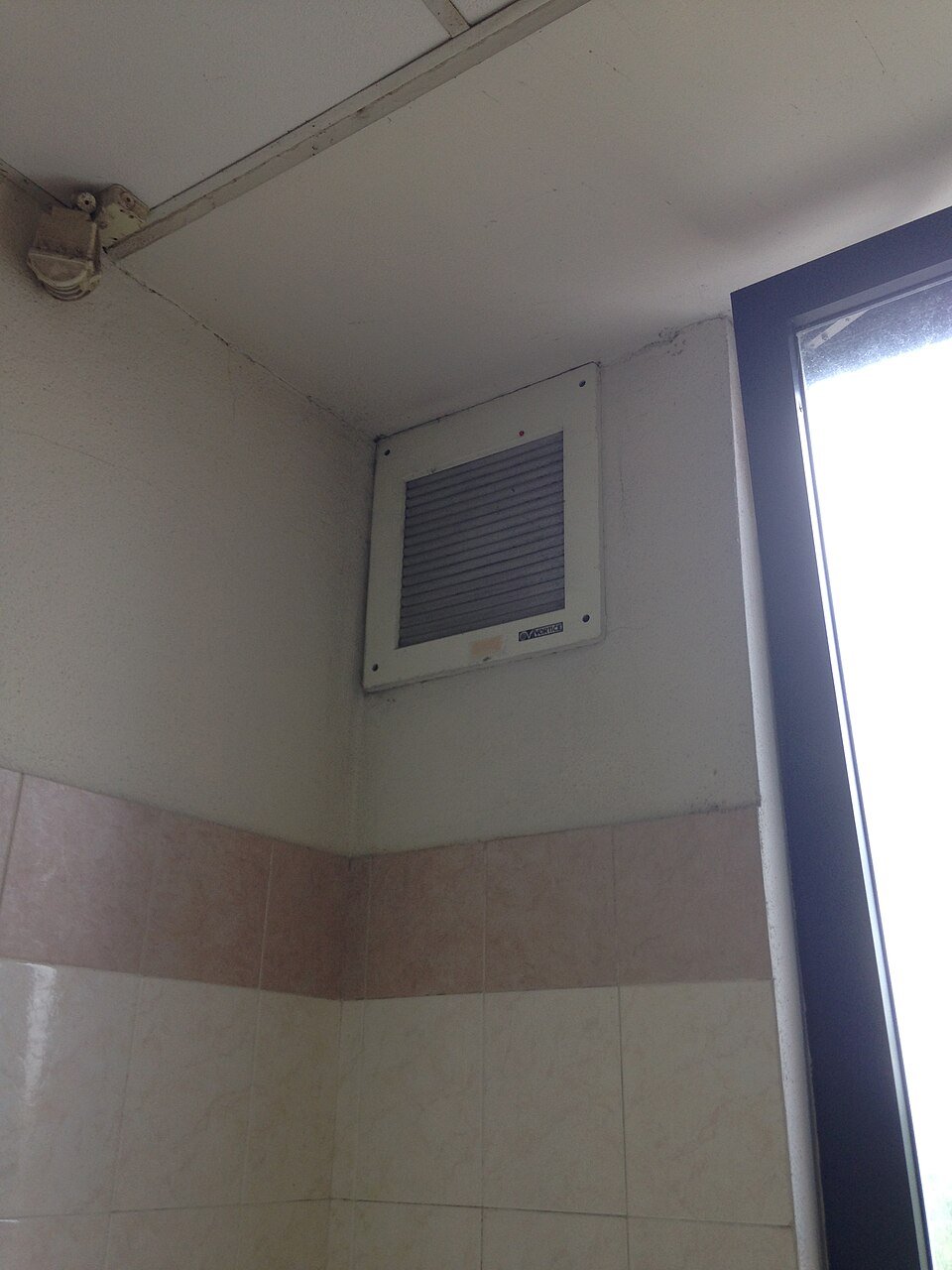
A lightweight tissue that moves toward a bathroom grille gives an immediate, visible clue. It can also encourage a large leap: the fan works, therefore the bathroom must be adequately ventilated. Keep the observation smaller. Tissue movement describes local suction under that particular setup. It does not measure cubic feet per minute, establish the outdoor discharge route or show how quickly the room dries.
Panasonic: How to choose the best bathroom exhaust fan for your home includes a tissue check in its homeowner guidance. Read it as an initial observation, not a replacement for a measured system assessment. A fan may be running with a restricted duct, inadequate replacement-air path or an unknown outlet. Different grille shapes can also make a simple comparison misleading.
Begin by writing the concern that prompted the check: no apparent intake, persistent wetness after ordinary showers or an unfamiliar fan control. If the room has active water damage, address that promptly rather than making a passed tissue observation the condition for a maintenance request.
Keep the observation within easy, dry reach
Use only a grille you can reach safely from a stable floor position without stretching over a bath or shower. Keep hands, floor and tissue dry, and do not bring water near switches. If you cannot reach the grille safely, skip this check. A request for measured assessment does not require a household performance trick first.
Turn the fan on with its normal control. Hold one corner of a single lightweight tissue so it cannot be drawn into the opening. Bring the free portion near the grille without inserting it, blocking the grille completely or leaving the tissue unattended. Note attraction, weak movement or no obvious movement, then remove it.
Do not use a flame, incense or smoke to visualize airflow. Do not remove a grille, reach inside a live fan or open electrical components. Where cleaning is appropriate, follow that model's power-isolation and maintenance instructions separately. A household intake observation should not become an improvised service procedure.
The door and controls belong in the observation
Write the fan setting, whether its normal run-on is active and the ordinary daytime door position. Record any intended background opening and whether furniture or stored items obstruct it. Keep nighttime bedroom and fire-door arrangements outside this experiment. Do not prop a fire door or disable ventilation elsewhere to amplify the result.
If the fan's behavior changes with the bathroom door in its ordinary alternative daytime positions, that is useful context for a professional. It may raise a replacement-air question, but it does not establish the correct door undercut or justify cutting the door. Building and fire requirements, system design and the installation all matter.
PNNL Building America: Bathroom Exhaust Fans describes both intermittent and continuous systems. Identify which you have before assuming the switch should always stop the fan. A low continuous setting may sound different from a boost setting. If controls are unlabeled or confusing, ask the property manager or installer to explain them and record the intended resident operation.
Describe movement without inventing CFM
The following record is illustrative and invented. It shows how to describe observations to an assessor without inventing an airflow number. No instrument has measured flow in these scenarios.
| Setup | Observation | What remains unknown |
|---|---|---|
| Normal boost; daytime door closed | Tissue moves slightly toward grille | Actual flow and replacement-air adequacy |
| Same setting; daytime door ajar | Stronger attraction observed | Cause and compliant remedy |
| Same setting after shower | Tissue attracted; wall still wet later | Drying and other moisture sources |
Do not translate stronger attraction into twice the extraction. Tissue area, stiffness, hand position and grille geometry affect the result. The third row is particularly useful: local suction and lingering wetness can coexist. It supports asking more questions, not arguing that the room cannot have a ventilation problem because the tissue moved. Keep the descriptive result even if it feels less decisive than a number.
Keep intake, discharge and drying distinct
First ask whether air appears to enter at the grille. Second ask whether the system discharges where it is intended to discharge. Third ask whether normal use leaves recurring wetness. These questions overlap, but none supplies the answer to the others. An outdoor-looking vent can serve another appliance, so do not identify it by proximity alone.
Confirm the route from documentation, a reliable installer record or qualified inspection. You can note a safely visible exterior terminal from ground level, but do not climb, insert objects or remove a cover. A hidden duct requires appropriate assessment. Fans should not dump bathroom moisture into an attic or wall cavity.
PNNL Building America: Whole House Ventilation Strategies for Existing Homes treats ventilation assessment and commissioning as system work. That is the right context for measured airflow and replacement-air questions. Keep household observations focused on symptoms and operation. A fan's advertised laboratory rating and its delivered flow through a particular installed duct are not interchangeable measurements.
Send a service request that can be acted on
Include the fan identity if known, the control used, the qualitative intake observation and the recurring moisture symptom. Ask the assessor to check delivered airflow, the discharge route, duct condition and the intended replacement-air path as appropriate. Mention a fan that fails to start, changes noise suddenly or appears damaged.
If the fan is part of shared building ventilation, use the building's maintenance route rather than changing settings behind a panel. One flat's grille can connect to a larger arrangement. Household modifications can affect other rooms and make the original fault harder to diagnose.
Do not prescribe a larger fan solely because the tissue check seemed weak. The problem may involve resistance, a disconnected duct, a blocked terminal or controls rather than the motor's nominal size. Conversely, a strongly held tissue does not rule out inadequate delivered flow. The request should seek the relevant evidence before selecting a repair.
Verify the symptom as well as the service result
After work, keep the assessor's findings and intended operating instructions. Confirm that the household understands the controls and can leave the system in its proper routine. If airflow was measured, preserve the measurement conditions rather than copying a number without its setting or date.
Revisit the original symptom after an ordinary shower. Record whether accessible surfaces still remain wet and whether unusual noise or failure to start has returned. Do not repeat increasingly elaborate tissue comparisons once the relevant measurements and checks have been completed. New symptoms can justify follow-up, but unchanged curiosity does not need another household experiment.
The job closes when the system's operation is understood, the appropriate professional questions have been resolved and the recurring moisture concern has been addressed or clearly handed over. A tissue can remain a useful first clue. Its proper role is to make the next question clearer, not to certify room air, building compliance or moisture safety.
THE REFERENCE FILE
Sources & scope
Documentation reviewed 1 Nov 2026. Examples are illustrative; this article does not claim hands-on product testing. Follow the instructions for your actual material, model and location.
FROM THE EDITORIAL DESK
Ceetv Editors
Original home and living guidance, prepared from primary documentation with AI-assisted research and drafting. We distinguish proposed checks from actual tests.
How we prepare our guides →