Protect the area while preserving a useful record
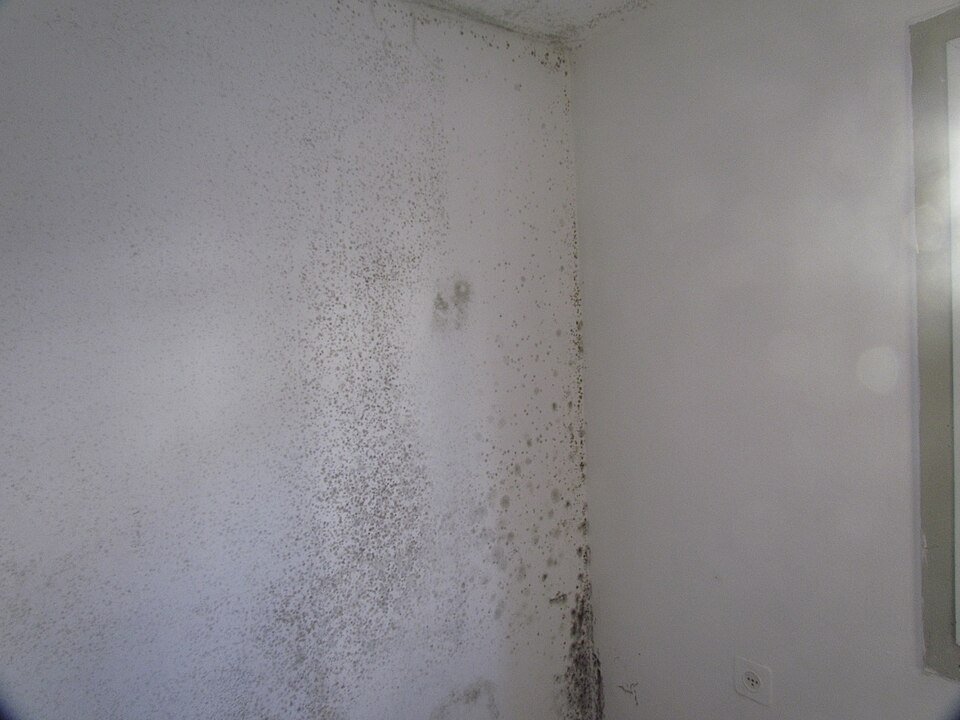
A brown ceiling mark may be old, active or repeatedly re-wetted. Start by noting its location and whether liquid is currently appearing. Protect ordinary belongings without standing under a sagging ceiling or approaching wet electrical fittings. Active water, structural concern or electrical involvement needs appropriate urgent assistance. A diary is supporting evidence, not a reason to wait for the next storm.
Do not climb onto the roof, open a wall or hose-test the exterior. A visible stain can be far from the entry point because water travels through construction. The household's useful role is to describe when the interior changes and what normal weather or use occurred around it.
Health Canada: Guide to addressing moisture and mould indoors includes exterior water infiltration, plumbing and condensation among moisture sources. Keep all plausible categories available initially. A stain that worsens during rain supports a weather-linked investigation; it does not by itself prove a failed roof covering or identify the responsible trade.
Describe the dry-weather baseline
In safe conditions, photograph the wider wall or ceiling and a closer view from the same accessible position. Include a stable nearby feature to make later comparisons possible. Record the visible edges in words or a sketch rather than drawing directly on the finish. Adhesive markers can damage paint or conceal a changing edge.
Separate colour from wetness. A stain may stay visible after drying; a shiny or darkening area may indicate change but is not a quantitative moisture reading. Do not press, puncture or scrape the surface to see whether it is soft. Record visible blistering, distortion or flaking without disturbing it.
Add the known history: first noticed date, previous repairs, nearby fixtures, recent decorating and any past leak. If a detail is unknown, leave it unknown. An honest baseline is more useful than an invented history that makes the current weather seem like the only possible explanation.
Use actual observations and mark missing periods
Record rain start and end from an official local report or your ordinary observation, making clear which you used. Add wind-driven rain where apparent, without inventing measured wind speed. Note when the interior was checked and whether anyone was away during the event. The first observed change may have occurred earlier than the first photograph.
Keep plumbing use and other relevant events in the same timeline. A shower in the room above or an air conditioner operating near the stain may be relevant even during rain. Do not run fixtures repeatedly to force a result. Ordinary-use associations are enough to make a maintenance request more specific.
EPA: A Brief Guide to Mold, Moisture and Your Home emphasizes prompt control of water problems. Dry accessible ordinary wetness where appropriate and record that intervention. If the area cannot be dried safely or materials remain wet, seek assessment. The diary should document protective action as carefully as it documents the weather.
Calculate a lag without calling it a leak route
This timeline is illustrative and invented. It demonstrates how to describe the interval between recorded events, not how water travels through any particular roof or wall. The household was present throughout the example.
| Time | Event | Interior observation |
|---|---|---|
| 14:00 | Rain begins | Old stain appears unchanged |
| 15:30 | Rain continues | Edge visibly darkens |
| 17:00 | Rain stops | No active drip observed |
| 19:00 | Follow-up check | Darkened area still visible |
The observed darkening occurs 90 minutes after recorded rain onset. The final check is 2 hours after rain stops. Neither interval proves when water entered or how far it travelled. Had the room been unchecked between 14:00 and 15:30, the onset would be uncertain within that interval rather than exactly timed.
Look for recurrence without delaying repair
If another rain event occurs before assessment, record it using the same locations and descriptions. A recurrence strengthens the weather association, but differences in rain intensity, wind direction and antecedent wetness matter. A dry result during a light shower does not rule out a problem that previously occurred during prolonged driving rain.
Canadian Conservation Institute: Incorrect relative humidity discusses rainwater and site drainage as sources of building dampness. That source-control perspective is useful: lowering room RH cannot repair an exterior water path. At the same time, a weather association should not lead you to prescribe excavation or roof replacement from inside the room.
Do not add a temporary coating, sealant or interior paint solely to test whether the mark disappears. Such treatments can conceal evidence and may trap moisture or affect the finish. Follow qualified advice for temporary protection and repair. Keep the diary available so an assessor can consider the right building elements and conditions.
Keep non-recurrence in the record too
A second rain event that leaves the stain unchanged is useful when its limits are recorded. Note whether rain reached the same exterior exposure, whether it was brief or prolonged, and whether the room was actually checked during and after it. Do not call an unchecked overnight period dry merely because the surface looked unchanged at breakfast. If the earlier event involved driving rain and the later one fell vertically in calm conditions, preserve that difference for the assessor.
After a temporary repair, mark the date clearly in the timeline. The next event then tests a changed building condition. Comparing it with an earlier event without mentioning the repair would obscure the strongest practical evidence in the file.
Send a compact record with a clear question
Provide the affected room, first noticed date, weather timeline, accessible photographs and any immediate protection steps. Include known repairs and relevant ordinary fixture use. State what changed: edge darkened, droplets appeared or paint blistered. Avoid the stronger claim that a specific exterior joint failed unless that has been established by the appropriate assessment.
Ask for the source to be investigated, the water path repaired and affected materials assessed for drying or restoration. If the property is rented, use the manager's maintenance route and keep the correspondence. This is an evidence handover, not legal advice about responsibility or a guarantee about the required repair.
Do not purchase a mould species kit as a prerequisite for reporting a wet stain. Visible water history and material change are already useful evidence. A room hygrometer may add context, but an ordinary display does not clear the ceiling, establish hidden dryness or identify the route through the building.
Close after a meaningful post-repair observation
After work, keep the repair description and any professional drying instructions. Revisit the same interior view during relevant weather when it next occurs. Do not count a dry sunny week as a successful rain test. If the original trigger involved wind-driven rain, note whether the follow-up event was actually comparable.
Distinguish an old residual stain from new darkening or wetness. Cosmetic restoration may happen after source repair and adequate drying, but painting over the mark before those steps should not become the evidence of success. Ask the responsible professional what material checks and restoration are appropriate.
The diary closes when the source and material outcome have a credible record and the original wetness no longer recurs under a meaningful follow-up. If uncertainty remains, write it plainly. A compact record with known limits is more valuable than a long weather spreadsheet that claims to locate a leak it never actually traced.
THE REFERENCE FILE
Sources & scope
Documentation reviewed 1 Nov 2026. Examples are illustrative; this article does not claim hands-on product testing. Follow the instructions for your actual material, model and location.
FROM THE EDITORIAL DESK
Ceetv Editors
Original home and living guidance, prepared from primary documentation with AI-assisted research and drafting. We distinguish proposed checks from actual tests.
How we prepare our guides →