Start with the water, before the appliance
A wet bedroom window can send you shopping for a dehumidifier before you know what needs drying. Give the water a location and a timetable first. A short log can distinguish a recurring room-humidity problem from exterior dew, trapped air behind a blind, or a window fault.
This investigation needs a thermometer-hygrometer that displays room temperature and relative humidity (RH), a notebook, a clock, and a dry, soft cloth suitable for the window finish. Borrowing a meter is enough to begin. Choose one troublesome window and one comparison window in another room. Work only from accessible indoor floor level.
Start recording today, while also drying ordinary condensation promptly. Do not leave surfaces wet to improve your evidence: the EPA moisture guide advises immediate action when condensation collects. Photograph the pattern before wiping, if useful, then note whether the sill and surrounding finish dry completely.
Decide which face of the glass is wet
Use a dry cloth on a small, accessible patch of room-facing glass. If droplets disappear from that patch, you have confirmed interior surface water. If the haze remains, look from different angles; reflections can disguise its location. Do not dismantle glazing or reach outside to settle the question.
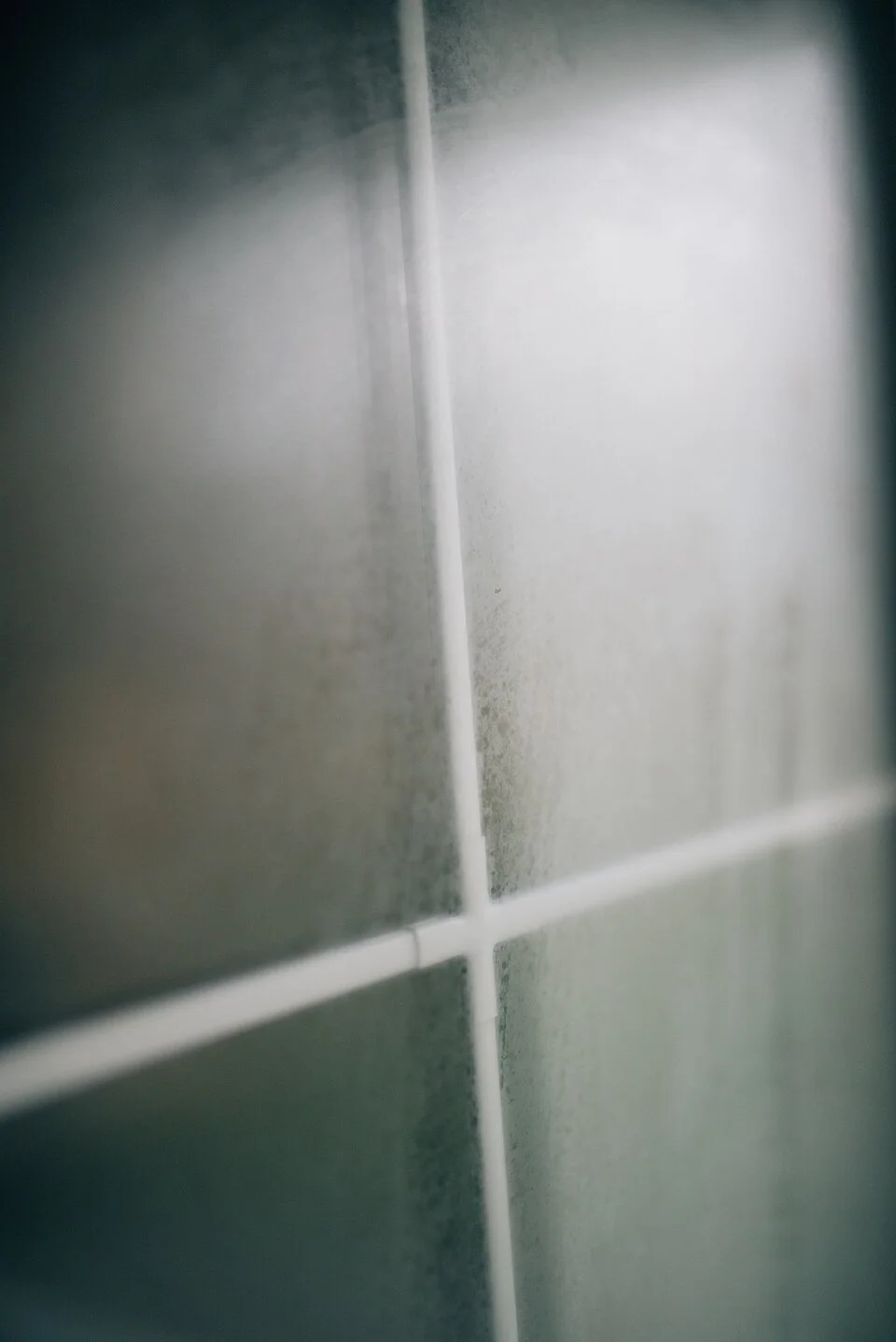
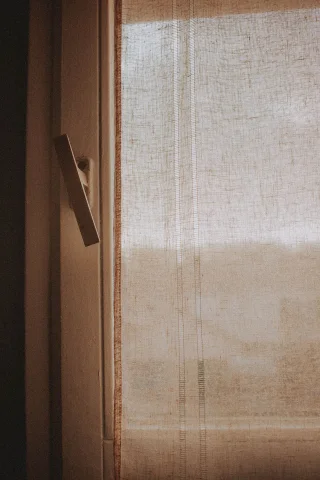
The wet-looking glass illustrates why the affected face needs to be identified before choosing a response. On an accessible room-facing patch, use a dry cloth suitable for the surface and observe whether the droplets disappear. The photograph alone cannot locate water inside or outside the glazing, identify a failed seal or establish room humidity.
Photo & usage
Shixart1985 · CC BY 2.0 · Source. Display copies resized and encoded as WebP; no instructional details were fabricated or removed.
- Room-facing droplets
- Continue with the log. The useful question is whether humidity, a particularly cold surface, or restricted air movement best explains the pattern.
- Exterior dew
- Observe whether it clears as outdoor conditions change. Exterior condensation alone is not a reason to dry the indoor air.
- Fog apparently inside a sealed glass unit
- Ask the window manufacturer or a glazing specialist to confirm the location and assess the unit. A room dehumidifier cannot repair its seal.
Pella's condensation guidance distinguishes these three locations and identifies seal failure as the main cause of moisture between sealed panes. Separate storm windows and removable secondary glazing have different arrangements; describe the actual window when requesting advice.
If water first appears around a frame during rain, or a stain spreads below it, record that separately as possible water entry. Do not assume all water near glass began as condensation.
Make a log that survives a change in weather
Choose a brief observation period that includes ordinary cooking, bathing and sleeping. A suggested starting point is three mornings and evenings, followed by two comparable days after one change. This is an organizing device, not a validated diagnostic test or a reason to postpone repairs.
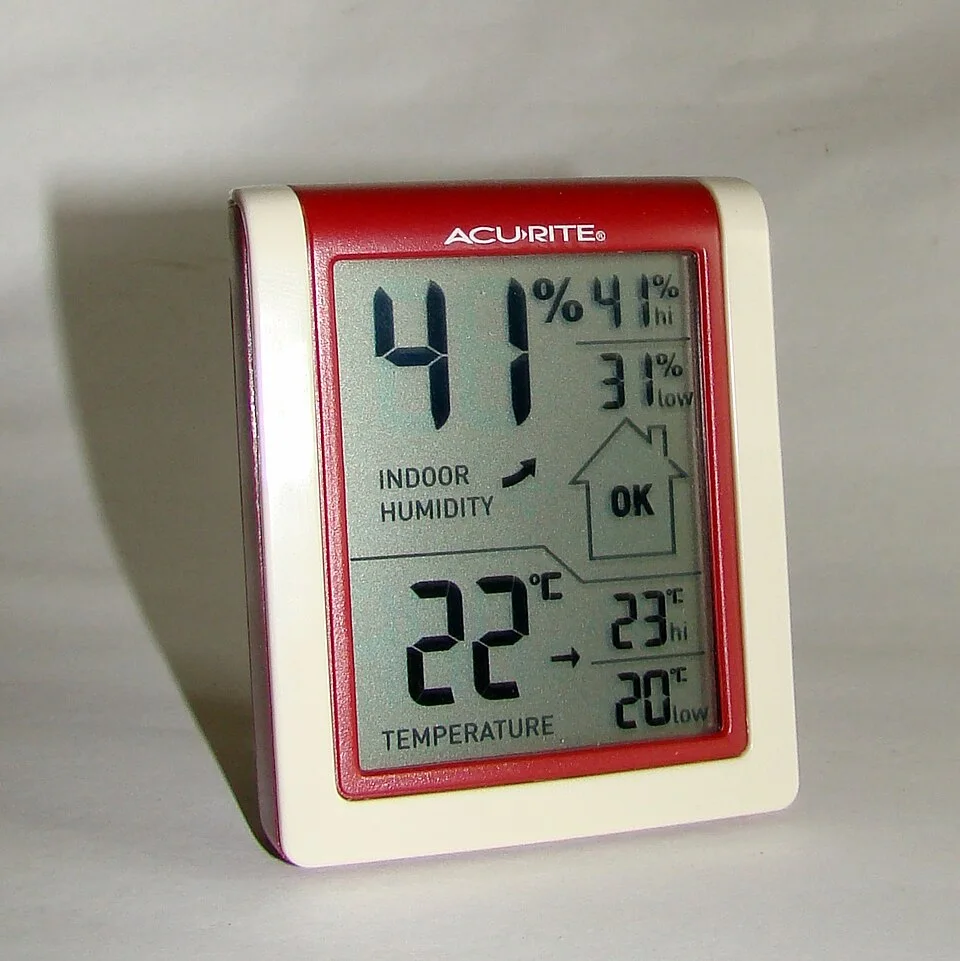
The display separates relative humidity from temperature and includes smaller high and low records. For each observation, copy the current readings with units, time, meter position and the wet window face. Follow this model’s instructions to interpret or reset stored values; its comfort symbol and a single photograph do not diagnose the source of condensation.
Photo & usage
Pogrebnoj-Alexandroff · CC BY 3.0 · Source. Display copies resized and encoded as WebP; no instructional details were fabricated or removed.
Place the meter in a representative part of the room, away from direct sun, heaters, steam and the wet glass. Follow its instructions for settling time after moving it. Keep the same position for repeat readings. With one meter, measure the comparison room afterward and record the time difference.
- Record time, room temperature in °F or °C, RH in percent, and which window face is wet.
- Describe the water consistently: clear, mist, separate droplets, or running water. Add whether the sill is wet.
- Note blinds or curtains, occupied bedrooms, recent showers, cooking, indoor laundry drying and humidifier use.
- Add outdoor temperature from a local weather report, rain, and any change to heating or cooling settings.
Check before opening curtains in the morning, again after your chosen change, and in the evening. Recording when water clears matters as much as recording when it appears. A photo from the same position can make differences easier to judge without pretending to measure water volume.
Treat small changes cautiously. A meter's stated accuracy limits what you can conclude; a slight RH difference may be instrument variation. Compare repeated patterns rather than selecting the single reading that supports a purchase.
Read the humidity and glass together
RH depends on temperature. A changed RH reading after the heating comes on does not, by itself, prove that water left the home. Pair each humidity figure with the room temperature and look for similar conditions across observations.
The EPA recommends keeping RH below 60%, ideally 30–50%. That range is a reference for moisture management, not a promise of dry windows: sufficiently cold glass can still collect water. Avoid treating a room reading as a measurement of the air tucked behind a heavy curtain.
| Logged pattern | What to investigate next |
|---|---|
| Bedroom: 68°F (20°C), 47% RH; droplets behind a closed blind. Comparison room clear. | Does exposing the glass to room air change the pattern? |
| Several rooms: 68°F (20°C), 64% RH morning and evening; multiple wet panes. | Are moisture sources controlled and existing extraction working? |
| One frame becomes wet after rain; room remains at 45% RH. | Could rain be entering at that window? |
These invented entries illustrate different decisions; they are not measurements from a house or diagnostic thresholds. A single clear comparison window does not prove the other window is defective. Its construction, exposure and coverings may differ.
Choose one small change that answers a question
For the hypothetical bedroom, leave the affected blind open for the next comparable night, if privacy permits. Keep occupancy, meter position and heating schedule as consistent as practical. Record the result before changing anything else. Health Canada recommends opening window coverings so warm room air can reach cold glass.
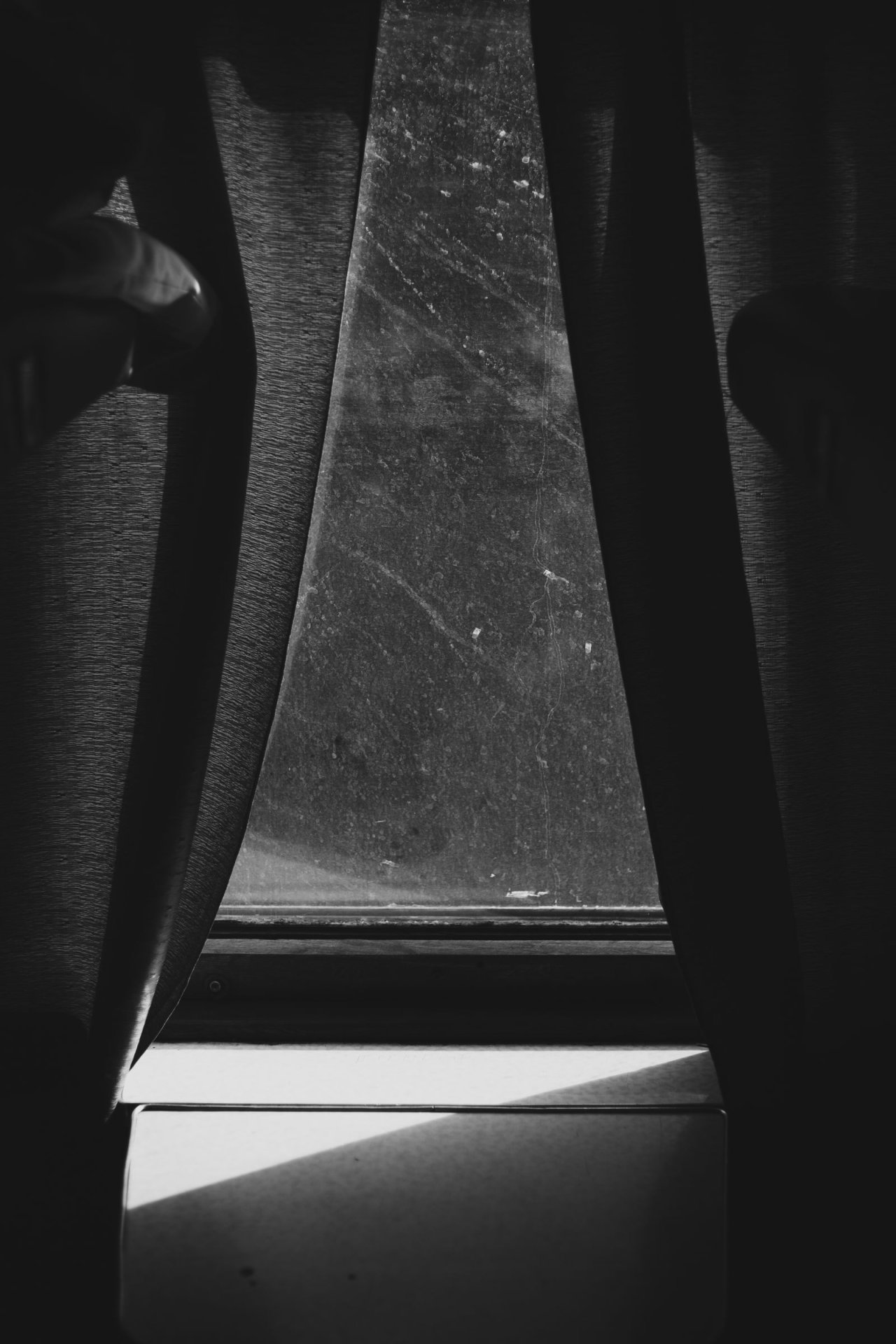
The narrow gaps make the existing blind state visible. For the comparison, use its intended controls to leave the affected covering more open if privacy permits, then keep occupancy, heating and meter position as consistent as practical. No condensation result or improved ventilation is demonstrated by this photograph; document the next comparable observation separately.
Photo & usage
BogTar201213 · CC BY-SA 4.0 · Source. Display copies resized and encoded as WebP; no instructional details were fabricated or removed.
Suppose, hypothetically, that the next morning is again 68°F (20°C) indoors, with 46% RH and similar outdoor weather, but the glass is clear. That supports restricted air movement as a contributor. It does not establish that ventilation throughout the home is adequate. If the night was much warmer outdoors, mark the comparison inconclusive.
For widespread humidity, choose a source-related change instead. Use an existing bathroom exhaust fan during bathing and for at least 30 minutes afterward, as Health Canada advises. Or consistently use an existing kitchen hood that exhausts outdoors. A recirculating hood is not equivalent moisture extraction; check its manual rather than opening ducts to investigate.
Do not create extra steam for an experiment or deliberately stop normal ventilation. Keep permanent vents unobstructed. If you cannot confirm where a fan exhausts, or it appears ineffective, arrange qualified ventilation help. Use the log to describe the problem.
Give a dehumidifier a defined job
Consider dehumidification when repeated observations show excess indoor humidity despite practical source controls, or when ongoing condensation needs additional moisture control while a professional investigates. You do not need to complete the suggested log before addressing persistent dampness.
Write a purchase brief from your observations: the affected room or connected area, its floor area, usual temperature, repeated RH range, and when moisture returns. Include whether you can empty a collection bucket reliably. This describes the job more usefully than a photograph of one wet pane.
ENERGY STAR's buying guidance bases capacity on both space size and dampness. Water-removal capacity, usually stated in US pints per day or litres per day, differs from bucket capacity. Do not choose a machine solely because its tank looks large.
Check the model's permitted operating temperature against your log. ENERGY STAR flags possible coil frosting below 65°F (about 18°C) and recommends equipment specified for lower temperatures where needed. Also check its clearance instructions and water-disposal arrangements. Any permanent installation belongs with an appropriately qualified installer.
THE WORKING FILE / LOG
A one-point humidity change does not prove the intervention worked
In a hypothetical comparison, a bedroom reads 20°C and 58% RH before an overnight change, then 20°C and 57% RH afterward. Assume the instrument specification is ±3 percentage points RH. Readings are paired with the same room temperature, but neither represents the humidity directly at the cold glass.
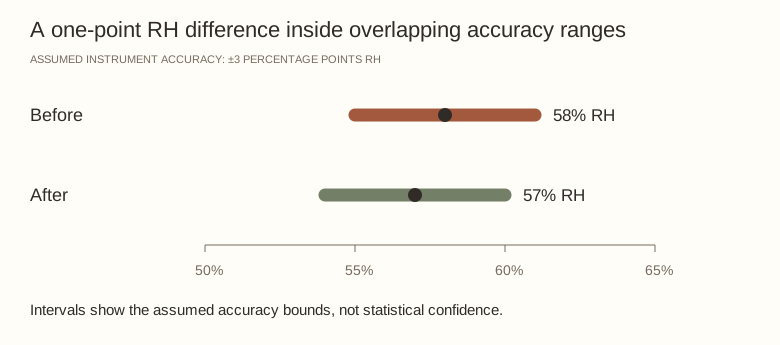
| Observation | Indicated RH | Range implied by the stated accuracy |
|---|---|---|
| Before | 58% | 55% to 61% |
| After | 57% | 54% to 60% |
| Visible outcome | Window clear on the second morning | Outdoor conditions and curtain position still matter |
Read the result
The broad overlap means the one-point indicated drop cannot support a confident claim that room moisture fell. The clear glass is useful, but a warmer night or better air access may explain it. Keep the reading and the surface outcome as separate columns, compare repeated mornings and record outdoor weather. Instrument accuracy ranges are not statistical confidence intervals.
Your log record Blank worksheet
Decide whether the next question concerns room moisture, air movement or the window itself.
- Date and time
- ________________________________
- Window / wet face
- ________________________________
- Room temperature °C
- ________________________________
- RH %
- ________________________________
- Instrument accuracy
- ________________________________
- Outdoor conditions
- ________________________________
- Covering position
- ________________________________
- Moisture activity
- ________________________________
- Surface result
- ________________________________
- One change
- ________________________________
Before closing the file
- Water is located before an appliance is chosen.
- Temperature accompanies every RH value.
- Small indicated differences are not overstated.
Close the log with a result, or hand it over
After the chosen change, revisit both windows during comparable conditions. A useful finish is repeated improvement: dry frames and sills, less persistent interior water, and humidity moving toward the reference range without simply changing the room temperature. Recheck during the next cold spell or return of the original trigger. One sunny afternoon is weak evidence.
If using a dehumidifier, keep measuring room RH independently and record whether surfaces stay dry. Collected water confirms extraction, but does not demonstrate that a leak or window defect has been resolved.
Stop routine observation and seek help for recurring rain entry, deteriorating finishes, persistent unexplained dampness, visible mould or a musty smell with no visible source. Avoid opening walls or disturbing suspect materials. Health Canada's guide recommends professional assessment for suspected hidden mould and mould that returns after cleaning. Renters should report moisture problems to the property manager promptly.
Send the relevant specialist your locations, photographs, temperatures, RH readings, weather notes and the result of one controlled change. End with a specific request: assess moisture entry, check extraction, or inspect sealed glazing. The log has done its job when it identifies the next useful action.
THE REFERENCE FILE
Sources & scope
Documentation reviewed 1 Nov 2026. Examples are illustrative; this article does not claim hands-on product testing. Follow the instructions for your actual material, model and location.